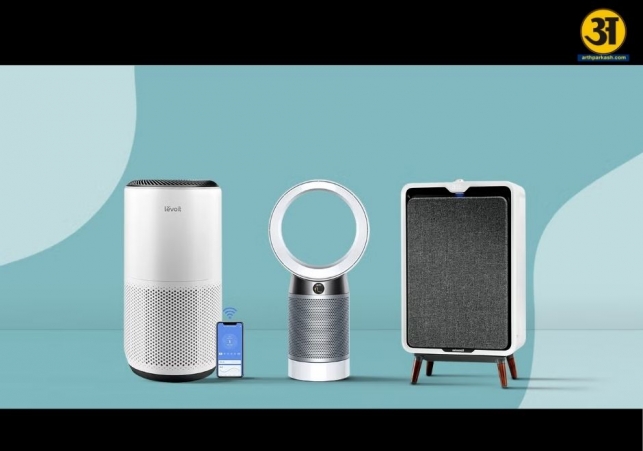
Air purifiers and lung cancer: Doctor clarifies the truth
Do air purifiers reduce lung cancer risk? Expert breaks it down
H3N2 flu cases have been rising in Delhi and other NCR cities this year. A recent survey found that nearly 69% of households in Delhi-NCR reported at least one family member with flu-like illness this month. Seasonal changes, monsoon weather, high air pollution, and lower immunity have contributed to this increase. Crowded places, public transport, and social gatherings also make it easier for the virus to spread.
In my opinion, it is important for residents to understand how H3N2 spreads and why testing matters. H3N2 is a subtype of influenza A, which mutates frequently, making people vulnerable even if they have had the flu before. The virus spreads mainly through droplets released when an infected person coughs, sneezes, or talks. It can also spread through contaminated surfaces if people touch their eyes, nose, or mouth afterward.
Symptoms of H3N2 flu are similar to seasonal flu, which can make it hard to recognise without testing. Common symptoms include fever, cough, sore throat, body aches, fatigue, and nasal congestion. Some patients may develop more severe signs like difficulty breathing, chest pain, dizziness, or worsening cough, which could indicate complications such as pneumonia. Symptoms usually last 5–7 days, though fatigue and cough may linger for up to two weeks.
Testing is crucial for proper diagnosis. The RT-PCR test is considered the gold standard for detecting H3N2. It identifies viral RNA from throat or nasal swabs and is highly accurate. Rapid influenza diagnostic tests (RIDTs) are also available and provide results in 15–30 minutes, but they are less sensitive than RT-PCR. Unlike COVID-19 tests, which detect SARS-CoV-2, H3N2-specific RT-PCR tests target influenza A subtypes.
Residents in Delhi can get tested at government hospitals like AIIMS and Lok Nayak Jai Prakash Narayan Hospital (LNJP) at subsidised rates. Private labs including SRL Diagnostics, Apollo Diagnostics, Max Lab, Ganesh Diagnostic, and Redcliffe Labs also offer RT-PCR and rapid tests. Many of these labs now provide home sample collection, which is especially useful for people who are sick or need to avoid travel.
In my opinion, people should not delay testing if they have flu symptoms, especially those in high-risk groups such as children, elderly, pregnant women, or people with chronic illnesses like asthma, diabetes, or heart disease. Early detection allows timely treatment and reduces the chance of serious complications. Healthy adults with mild symptoms may recover at home without testing, but they should monitor their condition carefully.
Prevention and treatment should go hand in hand
While testing is important, prevention remains the best strategy to fight H3N2 flu. Vaccination is recommended, especially for high-risk groups. Hand hygiene, wearing masks in crowded or poorly ventilated areas, covering the mouth and nose when sneezing or coughing, and keeping indoor spaces well ventilated can significantly reduce the risk of infection. People with flu symptoms should stay home and avoid contact with vulnerable individuals until they recover.
If someone tests positive for H3N2, treatment focuses on managing symptoms and preventing complications. Doctors may prescribe antiviral medications if the infection is detected early. Fever reducers and pain relievers can help manage discomfort. Supportive care, such as rest, hydration, and nutritious food, is crucial for recovery. In severe cases, hospitalisation and oxygen support may be required, especially if breathing becomes difficult. Home remedies like steam inhalation, warm saltwater gargles, and using humidifiers can also relieve mild symptoms.
In my opinion, using air purifiers, maintaining good indoor hygiene, and avoiding crowded places during flu season are additional steps that help reduce exposure to H3N2 and other respiratory viruses. These measures, combined with vaccination and prompt medical care, form a complete approach to protecting oneself and the community from the flu.
ALSO READ: Early signs of PCOS in teenage girls: What parents should watch for
ALSO READ: Nepal’s Gen Z pushes for change in a struggling democracy
H3N2 differs from other flu strains such as H1N1 (swine flu) because it causes more seasonal outbreaks and hospitalisations, particularly among vulnerable populations. Its frequent mutations make it unpredictable, which is why continuous monitoring and timely vaccination are important. Unlike common seasonal flu, H3N2 can result in severe illness in children, elderly, and people with pre-existing conditions.
In my opinion, public awareness about H3N2 is critical. Many people may dismiss mild flu symptoms as ordinary seasonal illness, but the virus can lead to complications if not monitored or treated promptly. Understanding testing options, preventive measures, and treatment guidelines empowers residents to take informed decisions and reduces the risk of severe illness.
In conclusion, H3N2 flu testing, early treatment, and preventive practices are all equally important. RT-PCR and rapid tests help identify the virus accurately, while vaccination, hygiene, and timely medical care prevent complications. Staying vigilant, especially during seasonal changes and high pollution periods, is essential to protect individual and public health.
Related News